Overview
This project represents a practical application of concepts explored during my university studies. In this case study, we embarked on a journey into a future-focused design brief, projecting approximately a decade ahead, and subsequently crafted refined design concepts blending insights from present-day realities and speculative trends. Our process encompassed meticulous analysis of the brief's scope and stakeholders, comprehensive data collection on user experiences and contextual landscapes, and rigorous research analysis to shape personas, scenarios, and user objectives.
Grab a cuppa! This is a detailed case study.
My contribution
User research
UI/UX design
The team
3 × product designers
Year
2021
01. Process
Approach and Framework
Our team delved into the realm of existing innovative solutions and emerging technologies, critically assessing their merits and considering how to seamlessly integrate their strengths into our own design concepts.
The framework used in the case study doesn't have a specific name as it incorporates elements from various UX research methods and design processes. It shares similarities with established UX research methodologies like Design Thinking, User-Centered Design (UCD), and Agile UX, but it's tailored to the specific requirements and objectives outlined in the case study.
Framework Used
• Analysis of Design Brief
• Raw Research Field Data Collection
• Research Analysis Report
• Exploration of Existing Solutions
• Examination of Emerging Technologies
• Refined Ideation through UX Storyboard
02. Experience first
Target Audience
Our target audience is anyone who uses makeup. People between 14 and 25 usually wear and buy more makeup products compared to an older age group. According to Roy Morgan’s research from 2015, among young Australian women, 70% usually buy some makeup every six months on average. On the other hand, middle-aged people typically have more budget to spend on makeup products. They are also interested in having a good experience finding a perfect match for their needs.
Young Adults
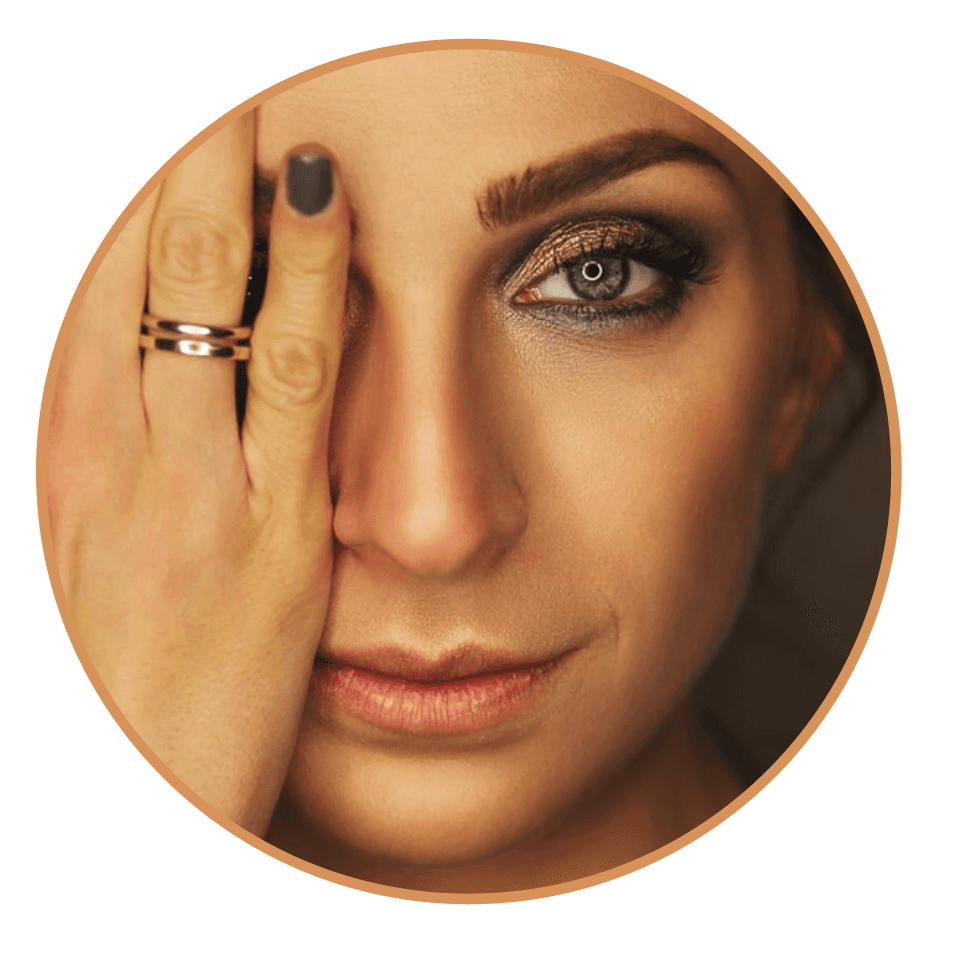
For young adults, acne is the most common skin condition. According to the Skin Health Institute of Australia, 85% of Australians between 15 and 24 years old suffer from some acne problem (Skin Health Institute 2021). This is when teenagers want to look the best, which can impact their self-esteem. Some makeup products are focused on hiding imperfections on the skin, and in our solution, we will try to support people who want to buy products for their type without exposing themselves.
Older Demographic and Prevention
Prevention of skin problems is another main goal of our project, especially in Australia, where skin cancer accounts for the most significant number of cancers diagnosed in Australia each year (Australian Institute of Health and Welfare 2018). Two in every three Australians will be diagnosed with skin cancer by 70 years of age. (The Australasian College of Dermatologists 2021) In 2016 alone, an estimated 13,280 new cases of melanoma were diagnosed. Our objective is to suggest that people consider utilising UV protection in their makeup products. Especially for more mature generations, having spare time can be hard and remembering to use sunscreen can be hard sometimes. So why not give the option of customising their makeups based on their skin type and time of the year?
Our project is tailored considering the needs of young and middle-aged people. We are considering accessibility and user experience guidelines, making the experience as straightforward as possible, catering to most people.
03. Hands-on!
Research Analysis Report (Quick Findings):
To better understand our target audience, we interviewed six makeup users face-to-face and also created a survey for quantitative data. Our research focused on the experience people encounter when purchasing and applying makeup, particularly at Myer. These interviews specifically target the consumer profiles of:
• 2 university students
• 3 full-time employees
• 1 high school student
"83% of our interviewees stated that they had some bad experiences buying makeup in store"
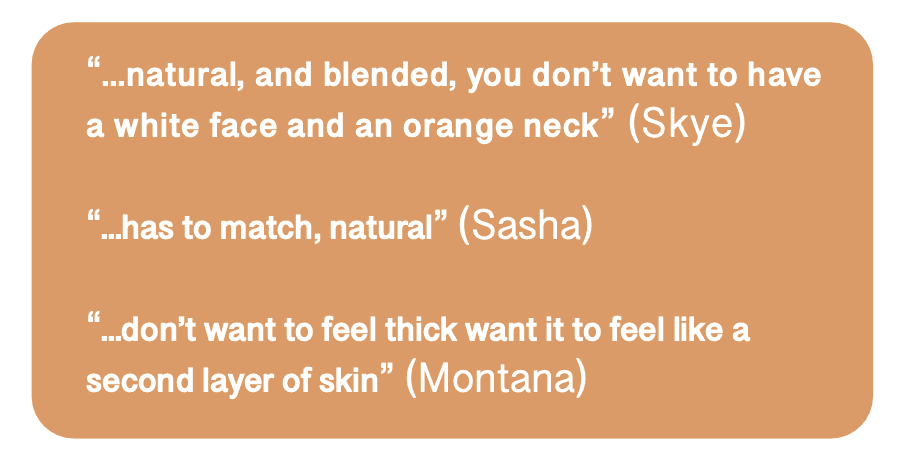
Finding 01: Natural Look
Most of our interviewees said they prefer a more natural look and feel, especially with their foundations.
• Some interviewees prefer a foundation that looks like more a second skin.
• The foundation needs to match with their skin and their purpose.
• Interviewees pointed out that she would like to avoid oily foundations with too many chemicals in them.
Finding 02: Skin Concerns
• Most of our interviewees are concerned about their skin type/issues when considering which makeup they are buying.
• From our survey, half of our users stated that some products can make their acne worse.
• Some of our users also stated that they have some allergies to some ingredients.
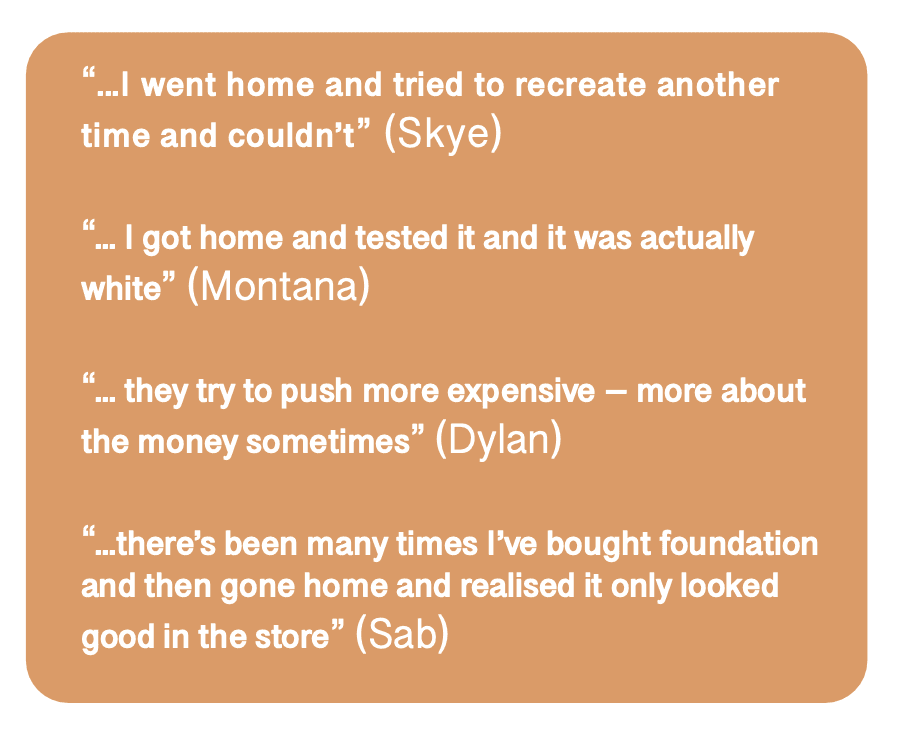
Finding 03: Assistance in Store
• Most of our interviewees and survey results stated that they had some bad experiences buying makeup in person.
• Users say that often recommendations provided by the assistants are not always accurate, misleading them to buy the wrong product.
• The majority of the responses said that they have problems with the makeup looking different in-store than at home.
• An interviewee stated that they often try to offer a more expensive product, which is not necessarily is the correct match.
Finding 04: Environmentally Friendly
• 90% of our survey answer prefer buying refills to reduce unnecessary waste.
• Some of our interviewees would not buy a product if they were tested on animals (Cruelty-Free).
User Goals
After conducting our survey and interviews about the experience buying makeup in-store, we have identified what is mostly considered necessary when purchasing new makeup in Myer:
Goal 01: Match foundation to skin
Matching the foundation with the user’s skin is one of the top priorities for makeup users. Different brands have different shades, and external factors can influence it, such as light in the room. The majority of our users had some difficulty matching their foundation with their skin in-store. Even with assistance from the staff in-store, there were cases where the product looked different when applied at home.
"68% of our survey answers said that its always difficult to face match the foundation shade. Only 16% said that it is easy"
Goal 02: Customisation
According to our survey data, 80% of our study group said that they would love to mix ingredients to create something personalised to their needs. This also relates to other aspects of our research, such as how much people do about their skincare and skin type. For instance, the skin can be a bit drier during the summer months, so mixing a moisturiser and UV protection in one product can appeal to most makeup users. In addition, some people don’t have much time in their hands during the day to apply multiple products, so compiling various products in one can save a lot of time for many people.
Goal 03: Cost Benefit - Quality and Price
Especially for the younger target audience, cost-benefit is crucial. They want variety and need to find something that caters to their skin without causing more issues, such as allergies or acne. Ideally, finding the middle ground is essential to make them come back for future purchases. In addition, creating loyalty rewards and discounts in future purchases can attract more users if the user experience is on point.
Goal 04: Samples
Another point said by 60% of our target audience is that samples are essential. It is possible to see a co-relation with other issues stated previously, such as bad experiences buying the wrong product even in person and testing the product. As already discussed, some products can look different under different conditions, leading to frustration and making people not return.
Goal 05: Discretion
Discretion is also essential when exposing some personal information to the assistants in-store. For example, one of our interviewees stated that she doesn’t feel comfortable sharing her acne difficulty with strangers.
Personas
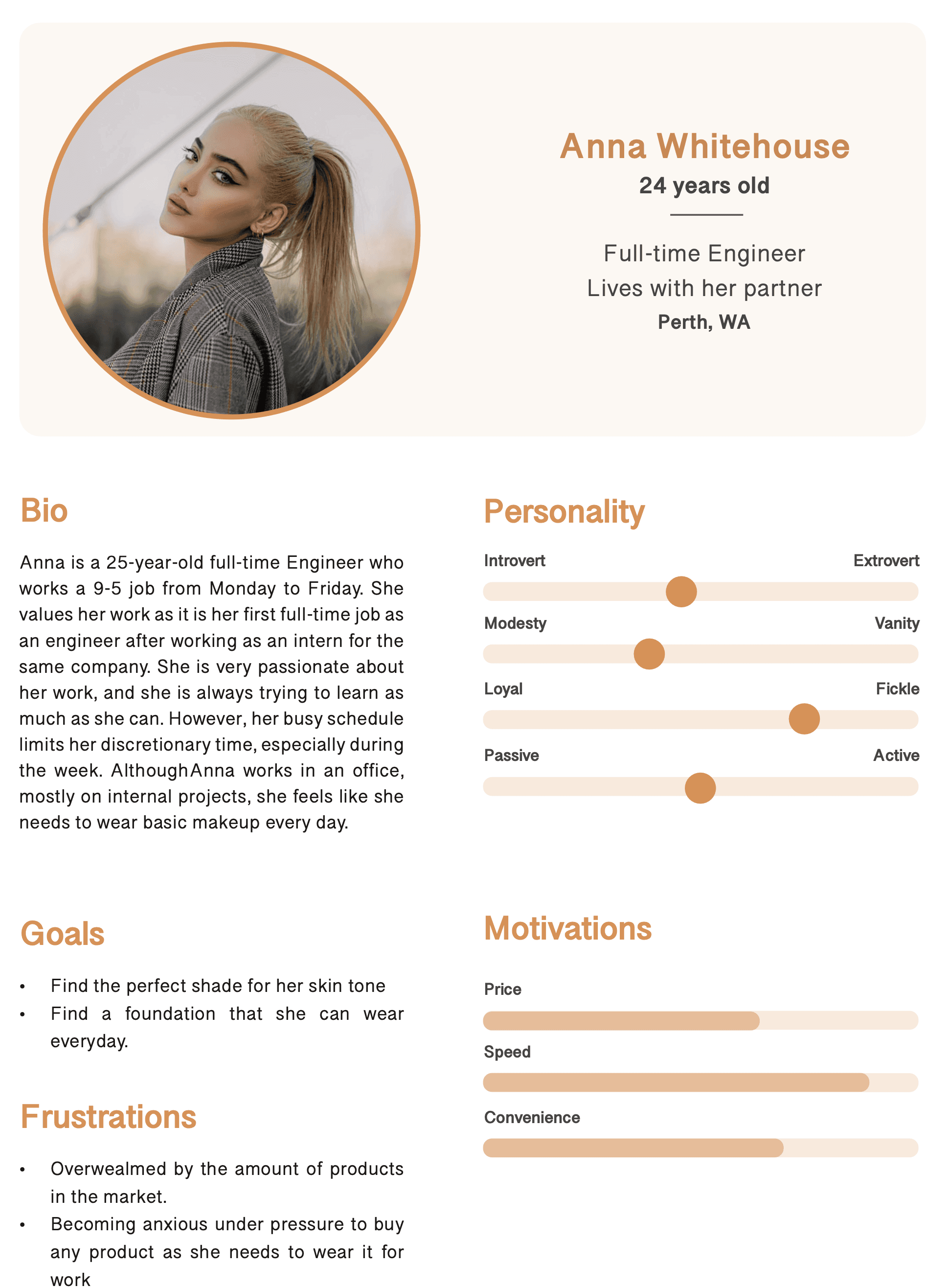
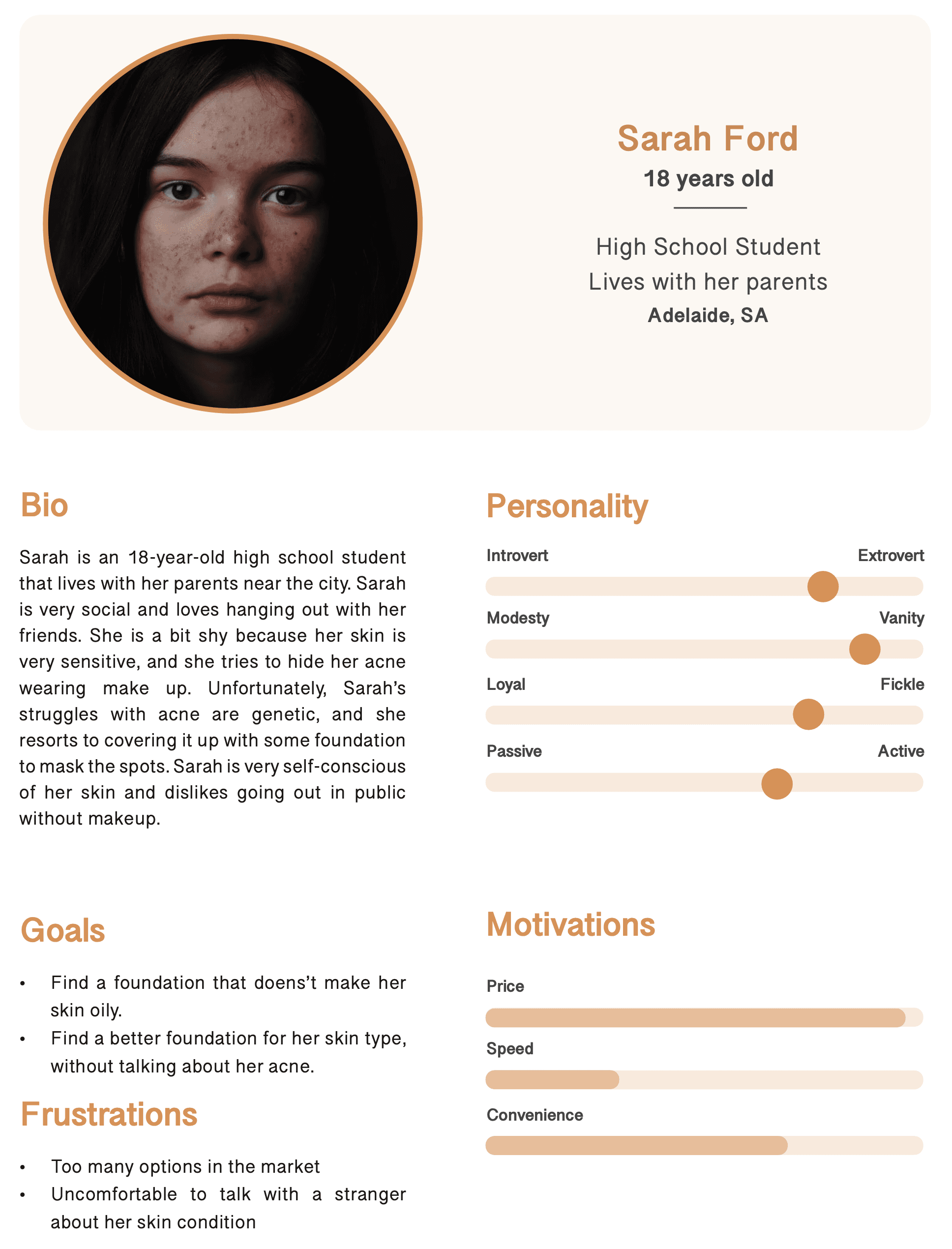
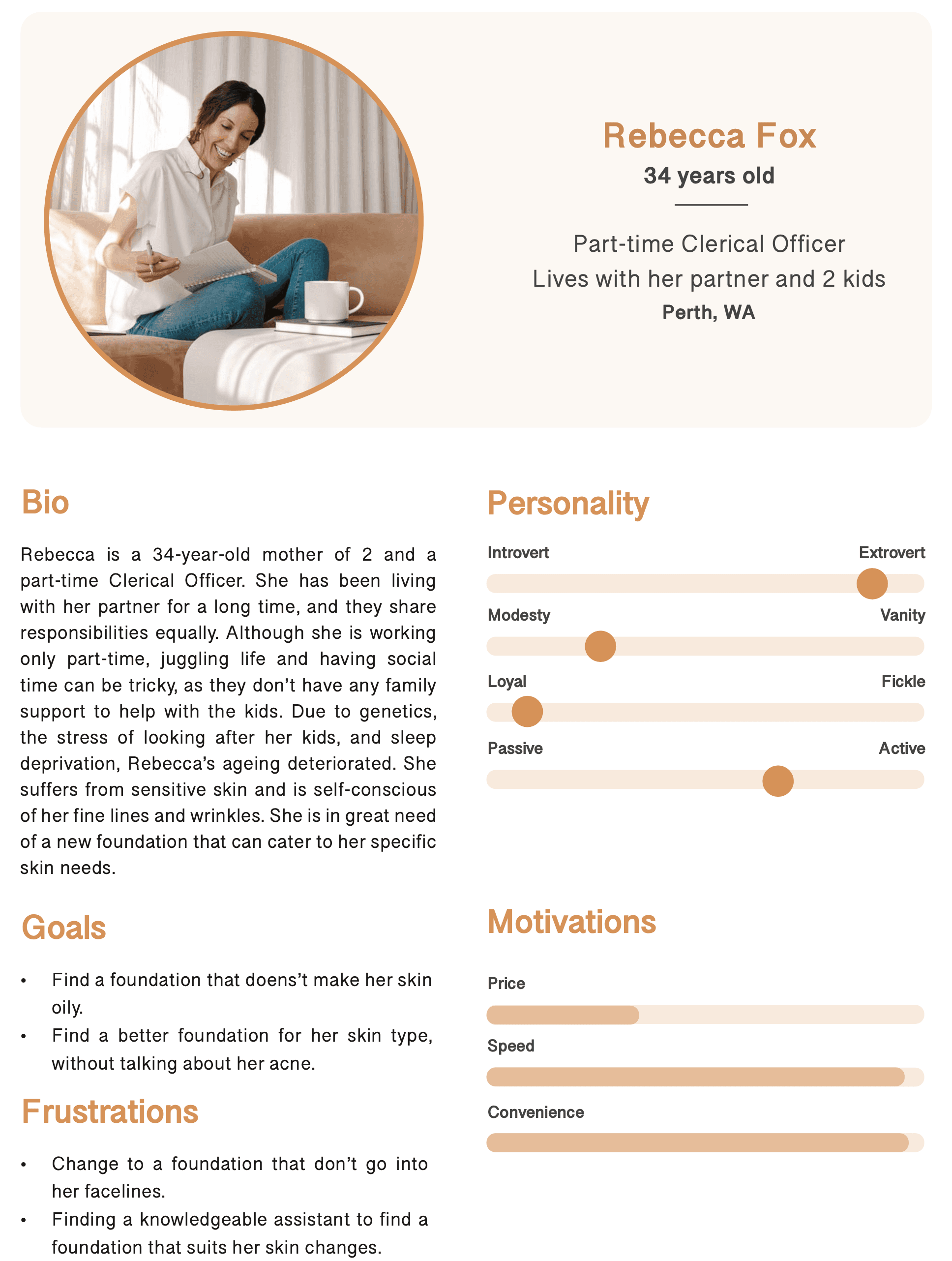
We added personas to our research to humanise the user, guide our design decisions, and foster alignment across our team:
Persona 01
Persona 02
Persona 03
Possible Scenarios
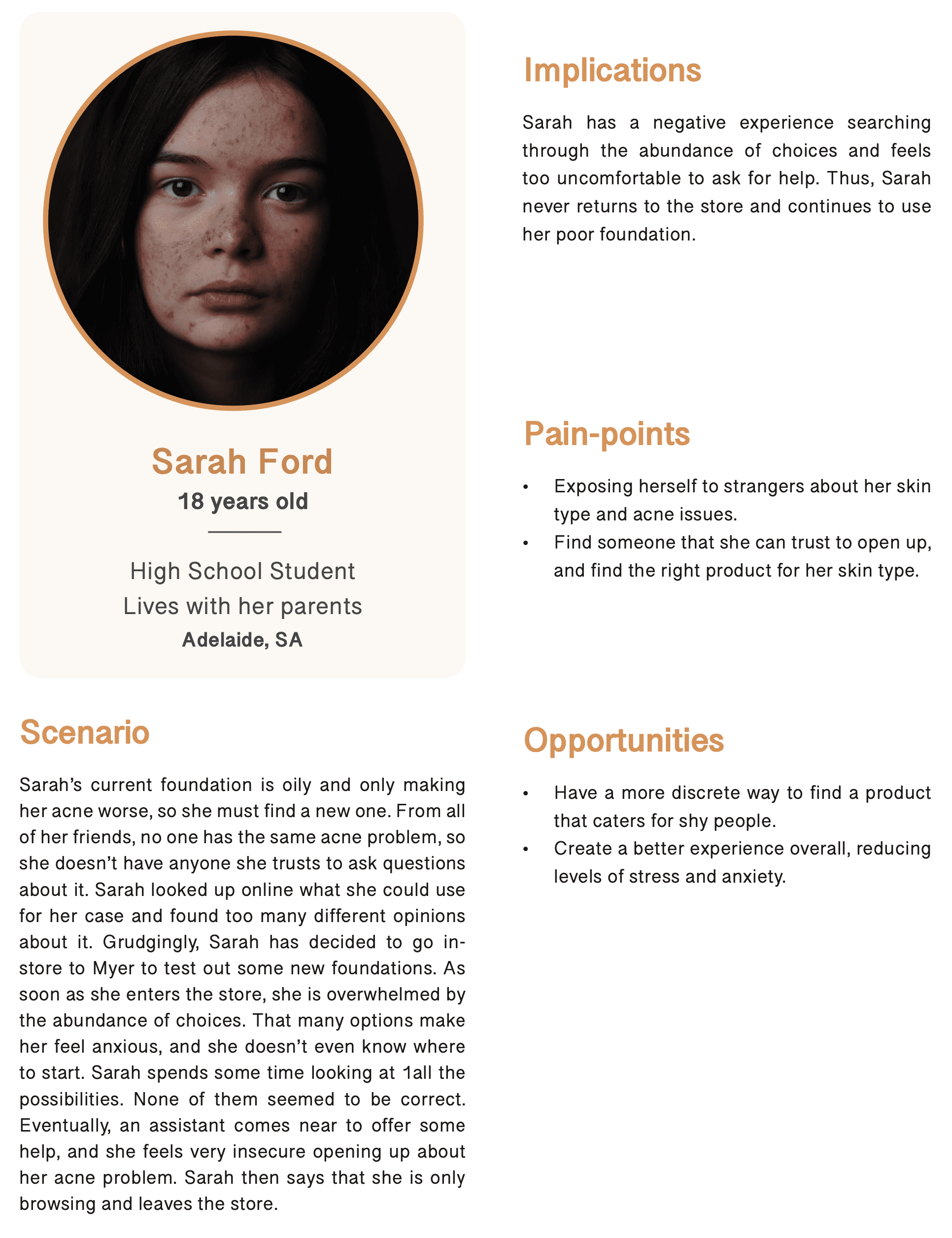
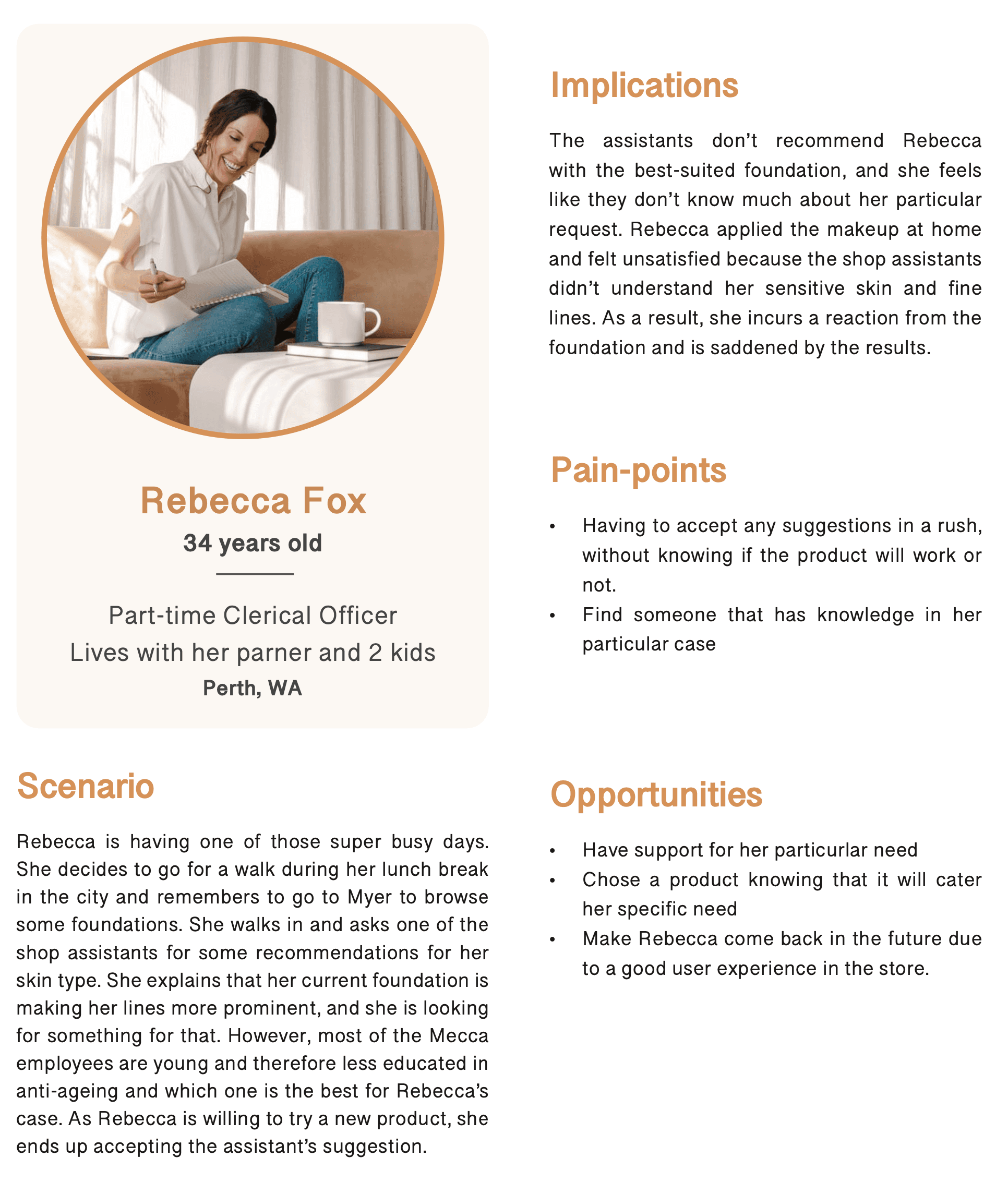
To contextualise their goals and behaviours within specific usage contexts, to provide a deeper understanding of how users might interact with our final concept in real-world situations:
Scenario 01
Scenario 02
Case Studies
For our project, we researched 4 different case studies, from very reputable sources:
MultiDIC: AI and 3D Mapping:
Utilises AI and 3D digital imaging to analyse objects, particularly useful for examining biological tissues.
Incorporates multiple cameras to capture various angles, creating detailed 3D images.
Features open-source code, making improvements and accessibility easier.
Offers non-contact optical technique, ideal for hygienic and pandemic situations.
teamLab Art Collective:
Integrates art, technology, and science to create immersive experiences.
Utilises large spaces and digital imagery to dissolve barriers between physical and digital worlds.
Features fully immersive rooms, adaptive artwork, and atmospheric music to engage users.
Enhances interactivity through users' movements and positions, creating dynamic environments.
Gestural Technology:
Enables contactless interaction with digital technology through gestures like swiping, pointing, and waving.
Utilises emerging technologies like Microsoft's Kinect motion-sensor to implement hands-free interaction.
Enhances user experience by providing intuitive and natural ways to interact with technology, particularly beneficial in pandemic situations.
Offers potential for replacing traditional user interfaces with hands-free commands, improving customer engagement and ease of use.
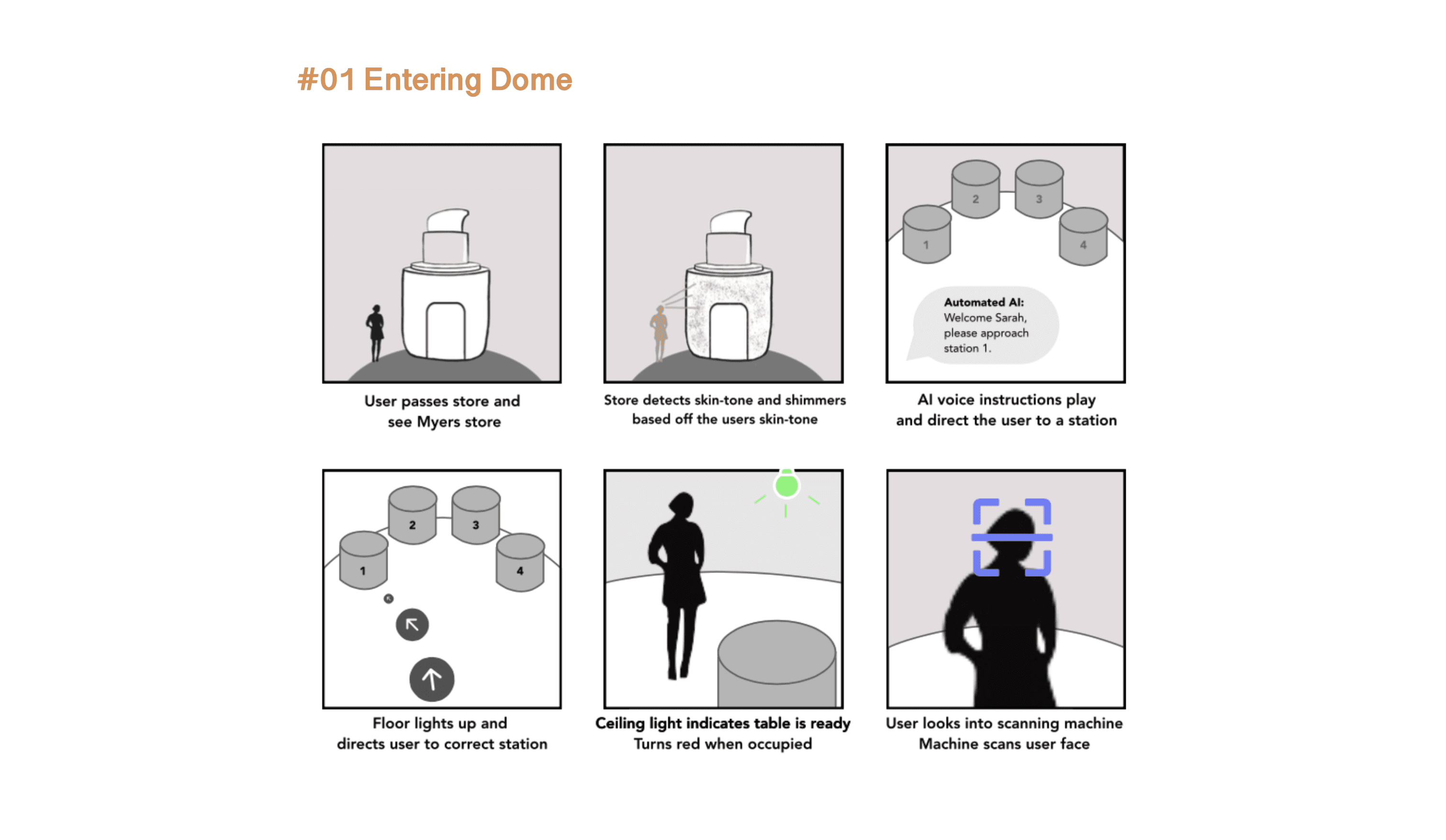
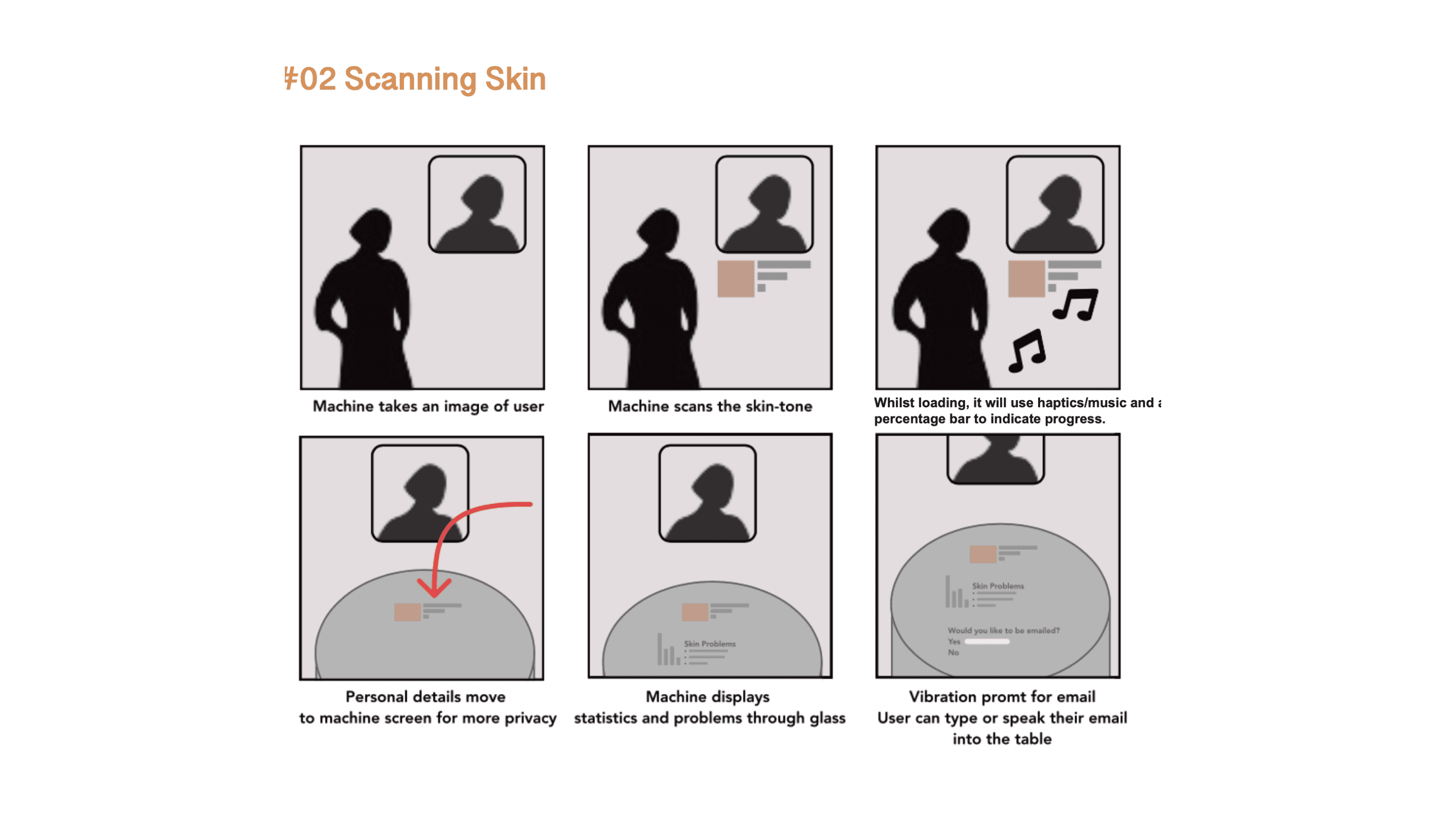
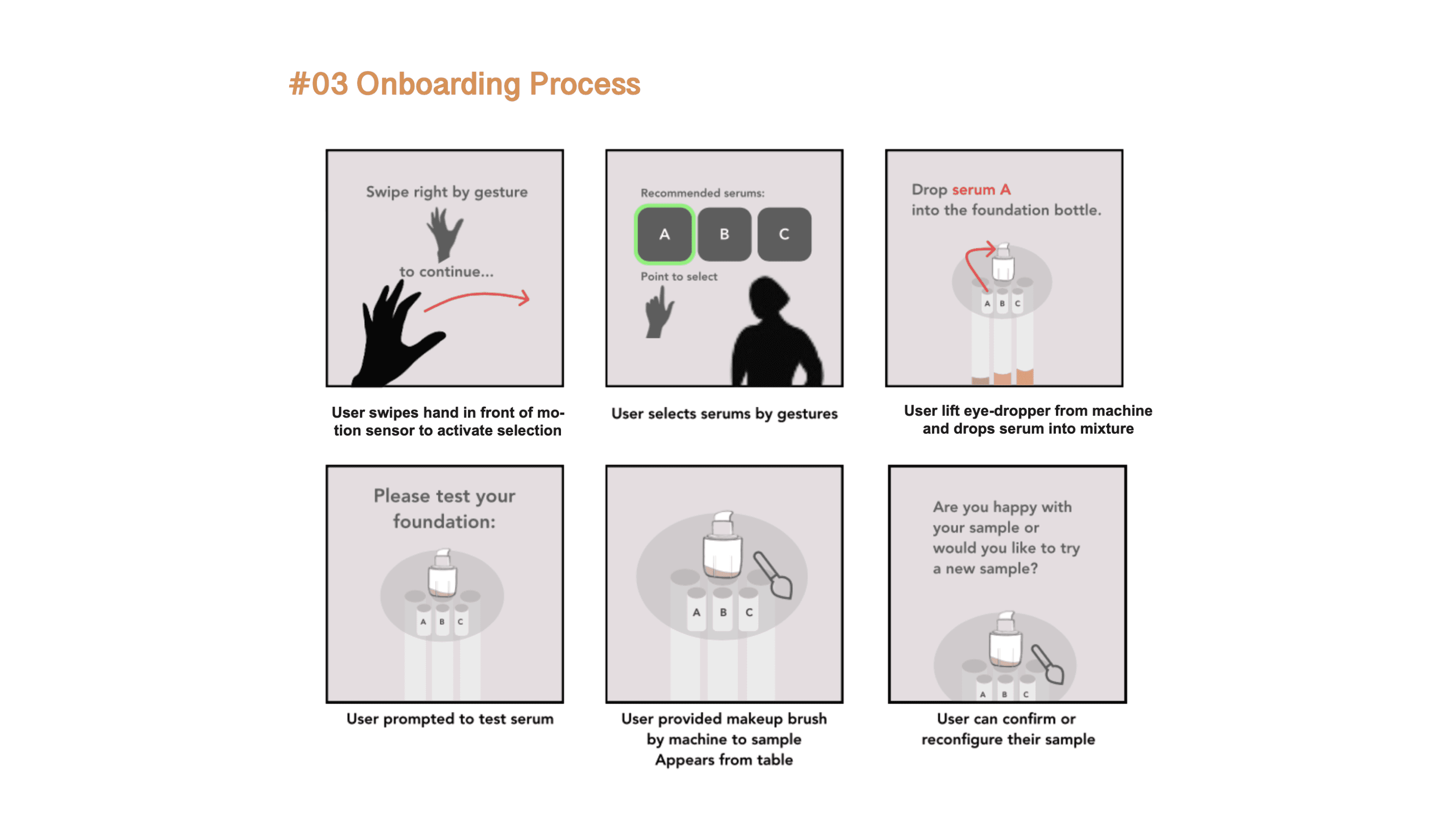
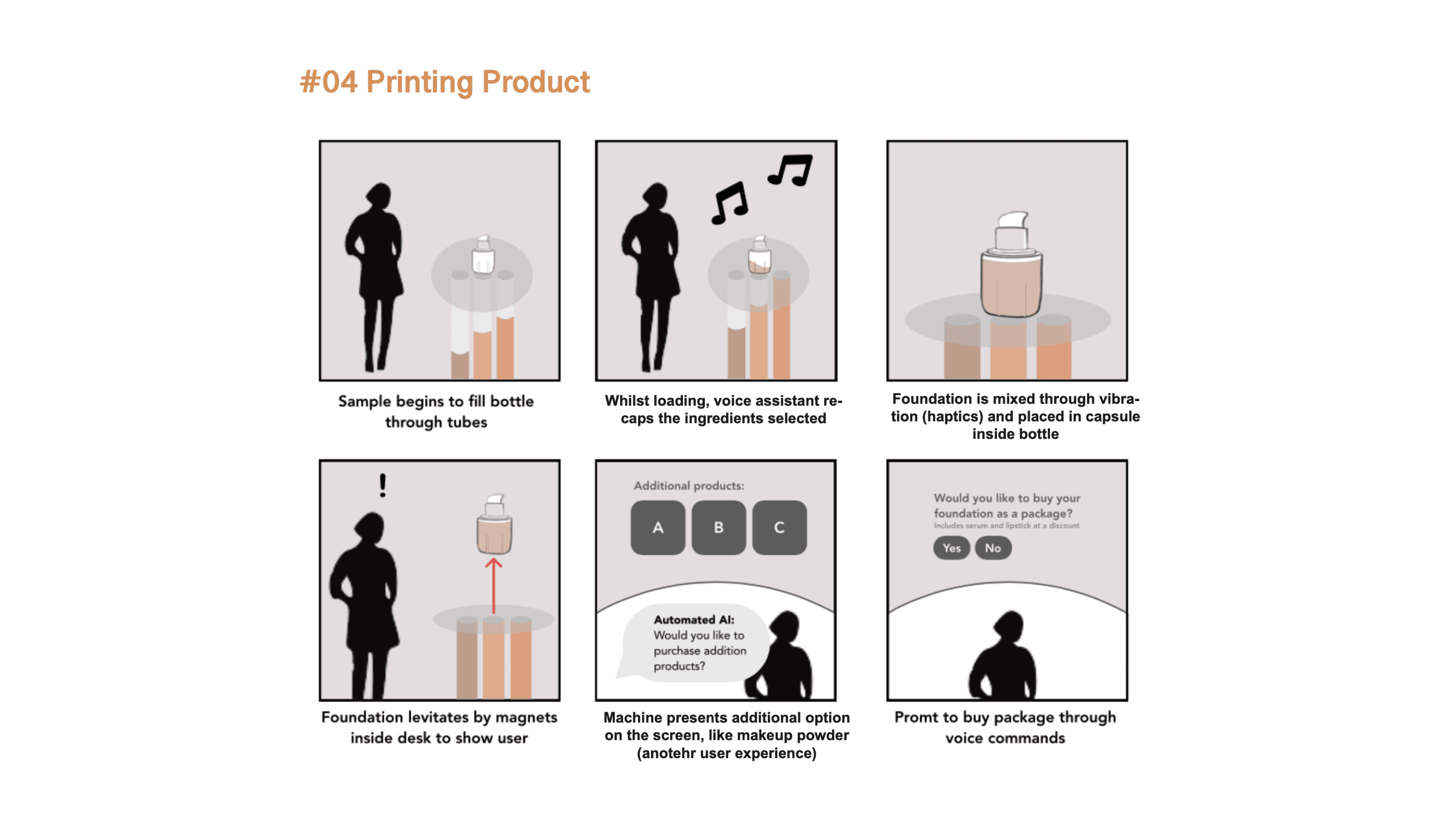
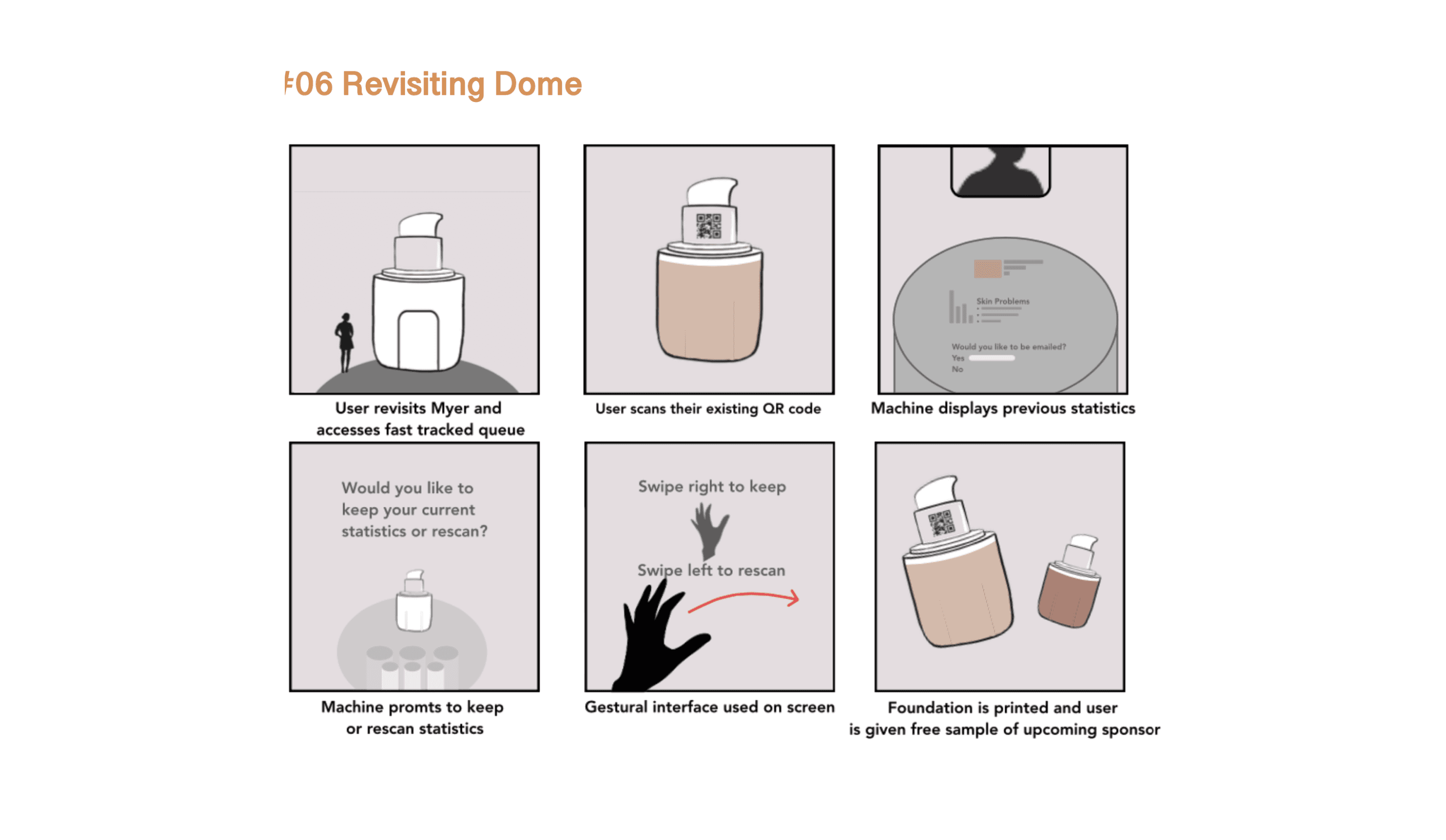
UX Storyboards
UI Concepts
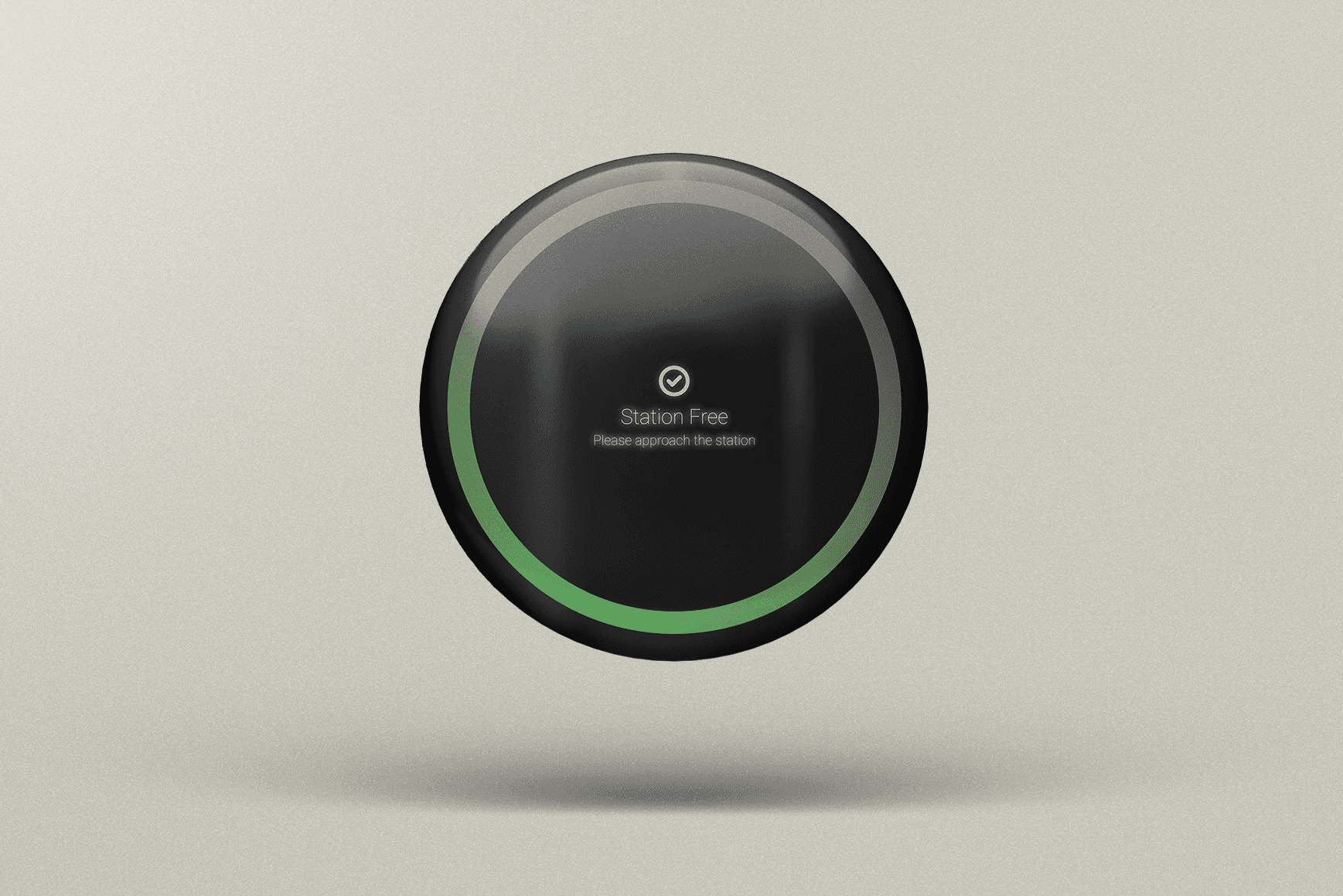
Based on our user research, we've crafted a seasonal installation at Myer, featuring interactive stations equipped with cutting-edge technologies.
Infusing aesthetics with exhilaration, our installation promises a magical journey, fulfilling Myer's objective of enticing customers back into the store.
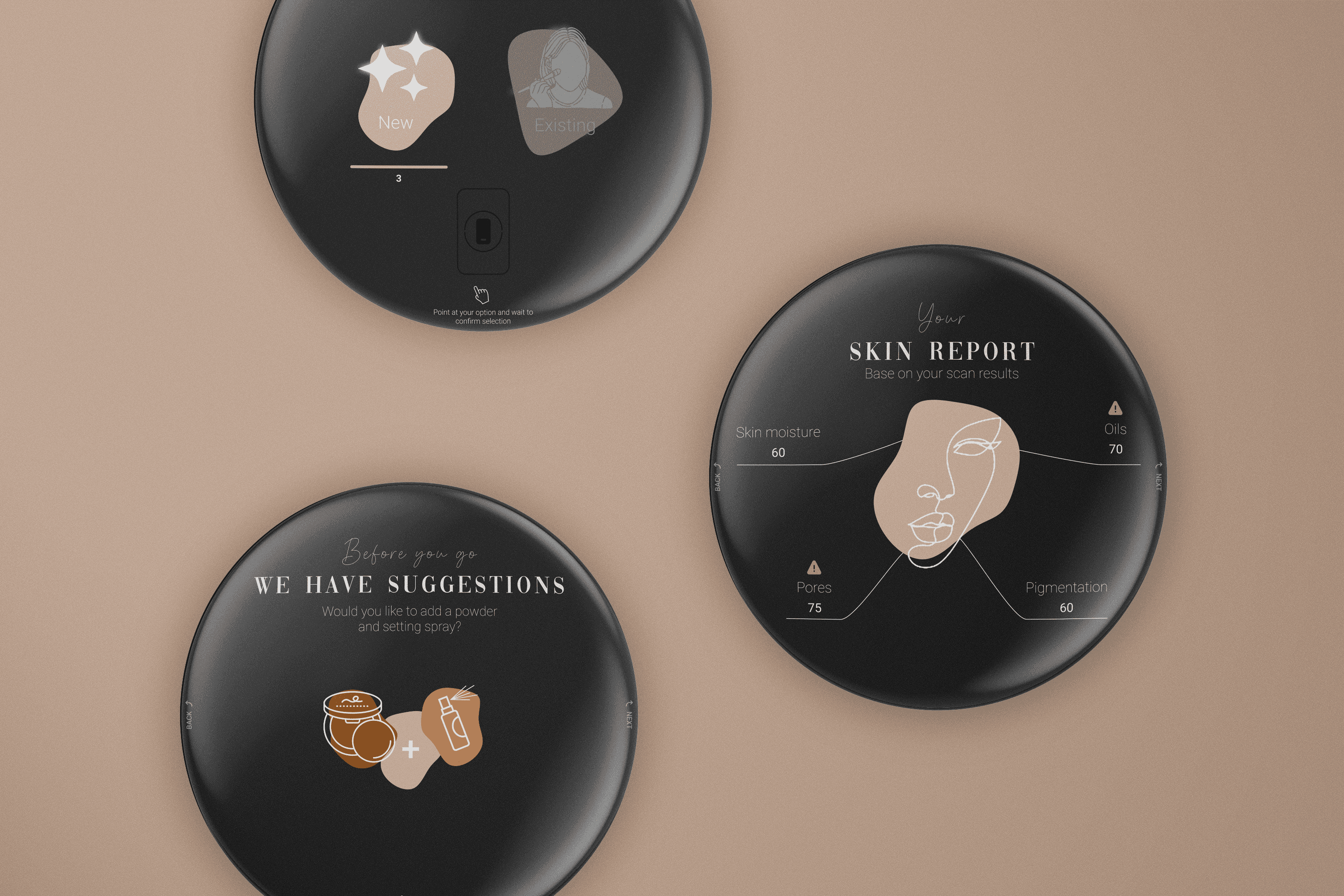
UI Screen 1: Intro:
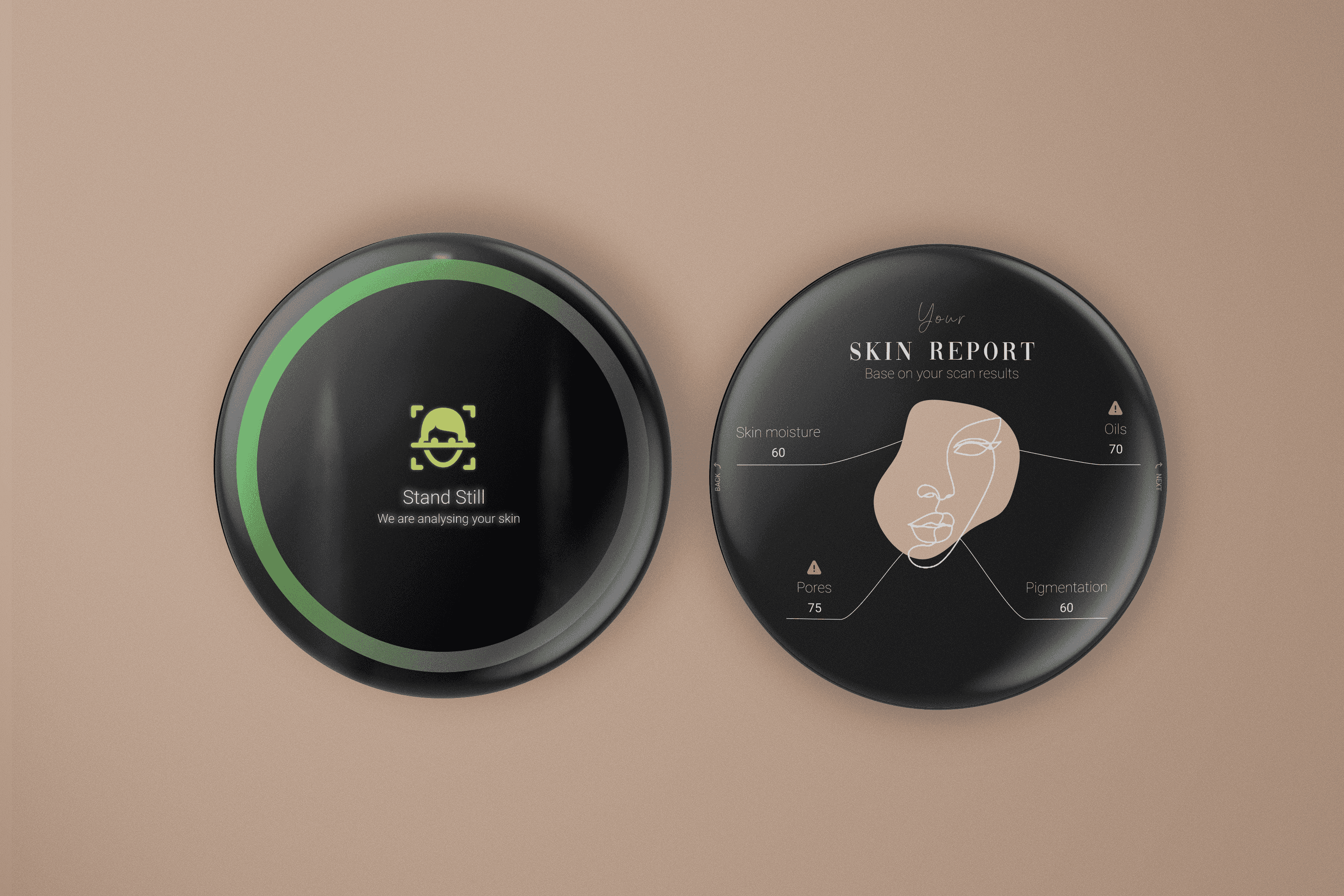
Engaging users through voice interaction, our installation prompts them to specify their status—new or existing—using gestural interactions, fostering a seamless user experience.
Mirror Interaction: Via voice prompts, users scan their faces into the camera for AI-driven skin analysis, addressing the common pain point of ineffective foundation shades.
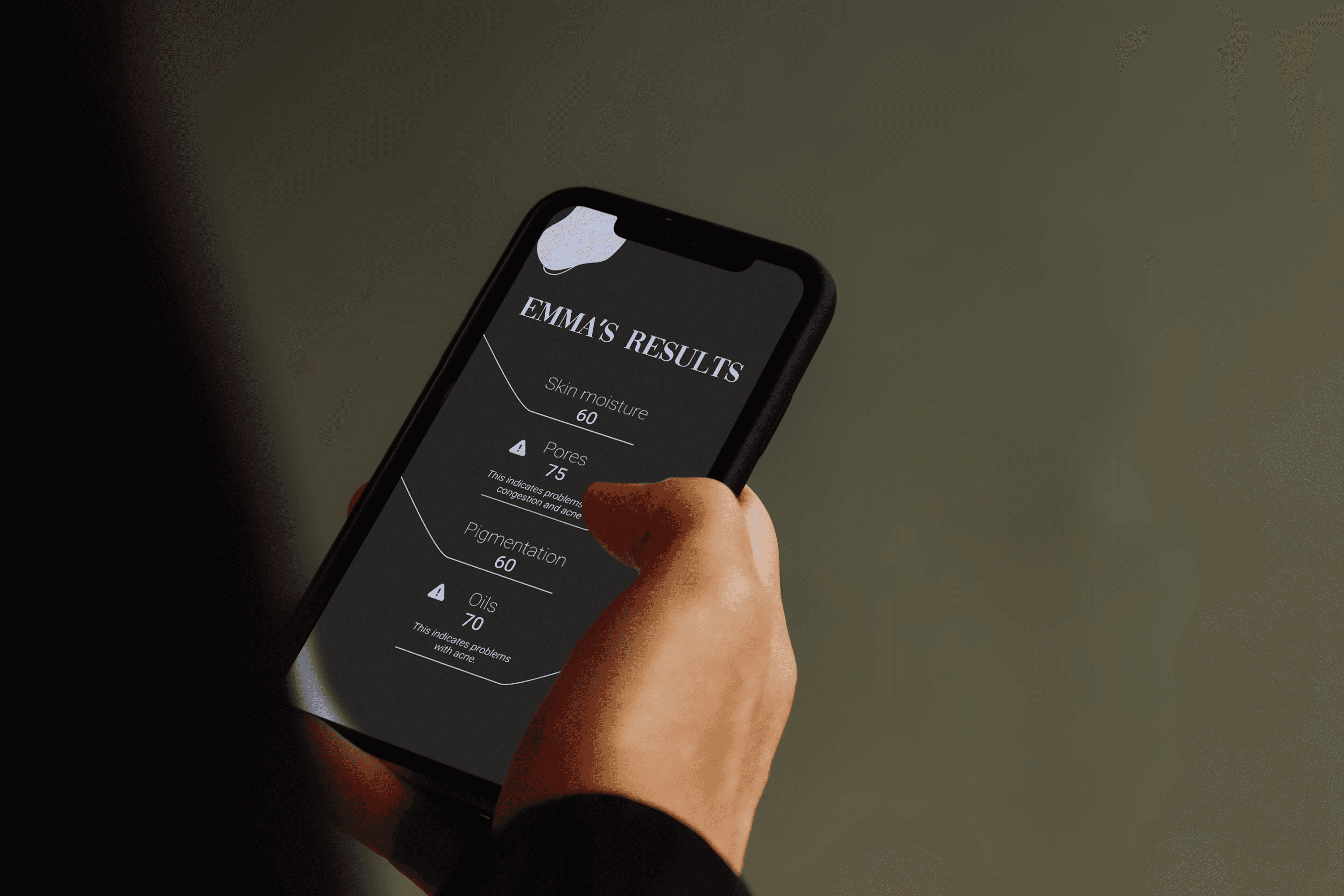
UI Screen 2: Skin Report:
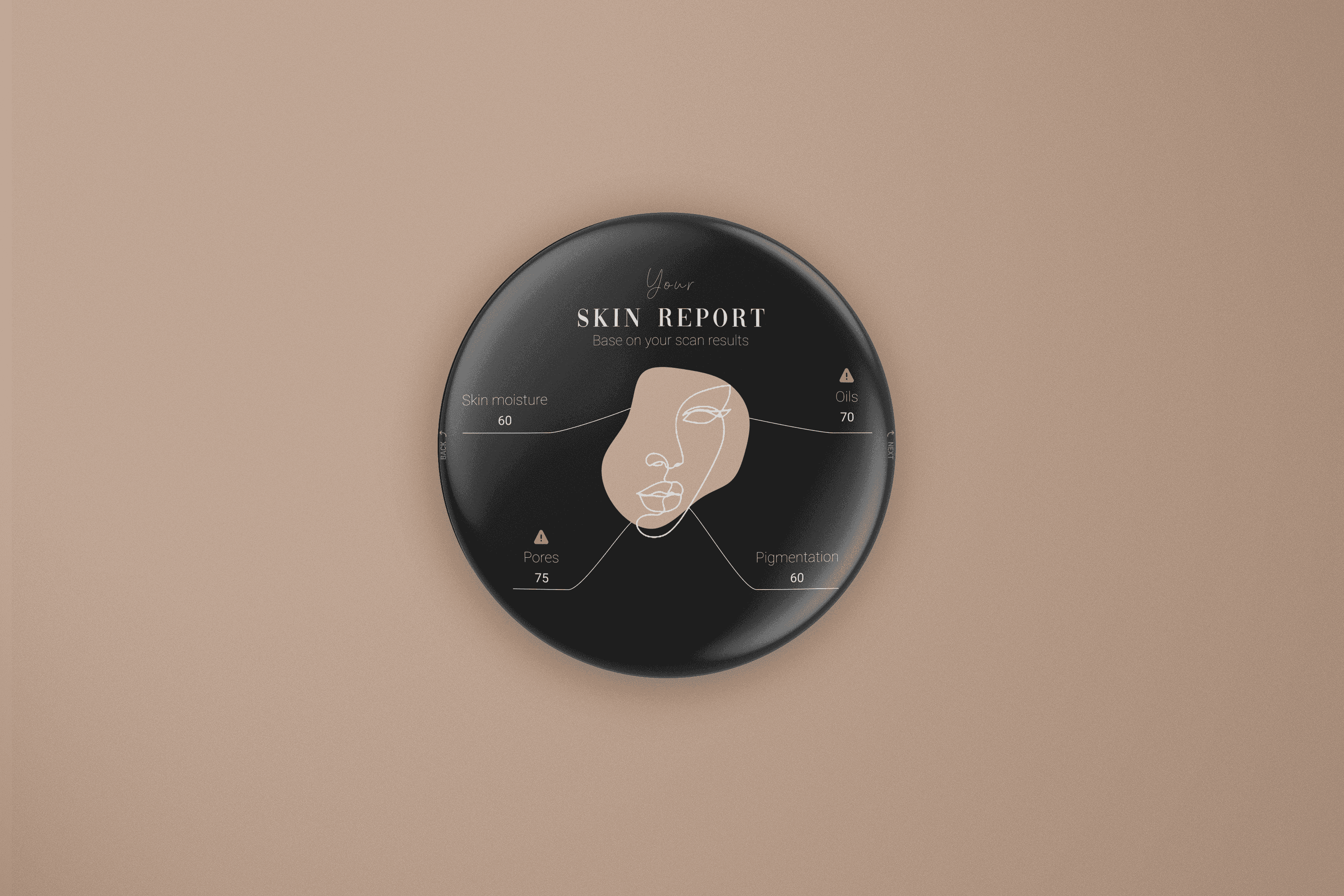
Employing a simplistic colour scheme and catering to personas like acne makeup users, our installation ensures inclusivity and relevance for diverse user groups.
UI Screen 3: Recommendations:
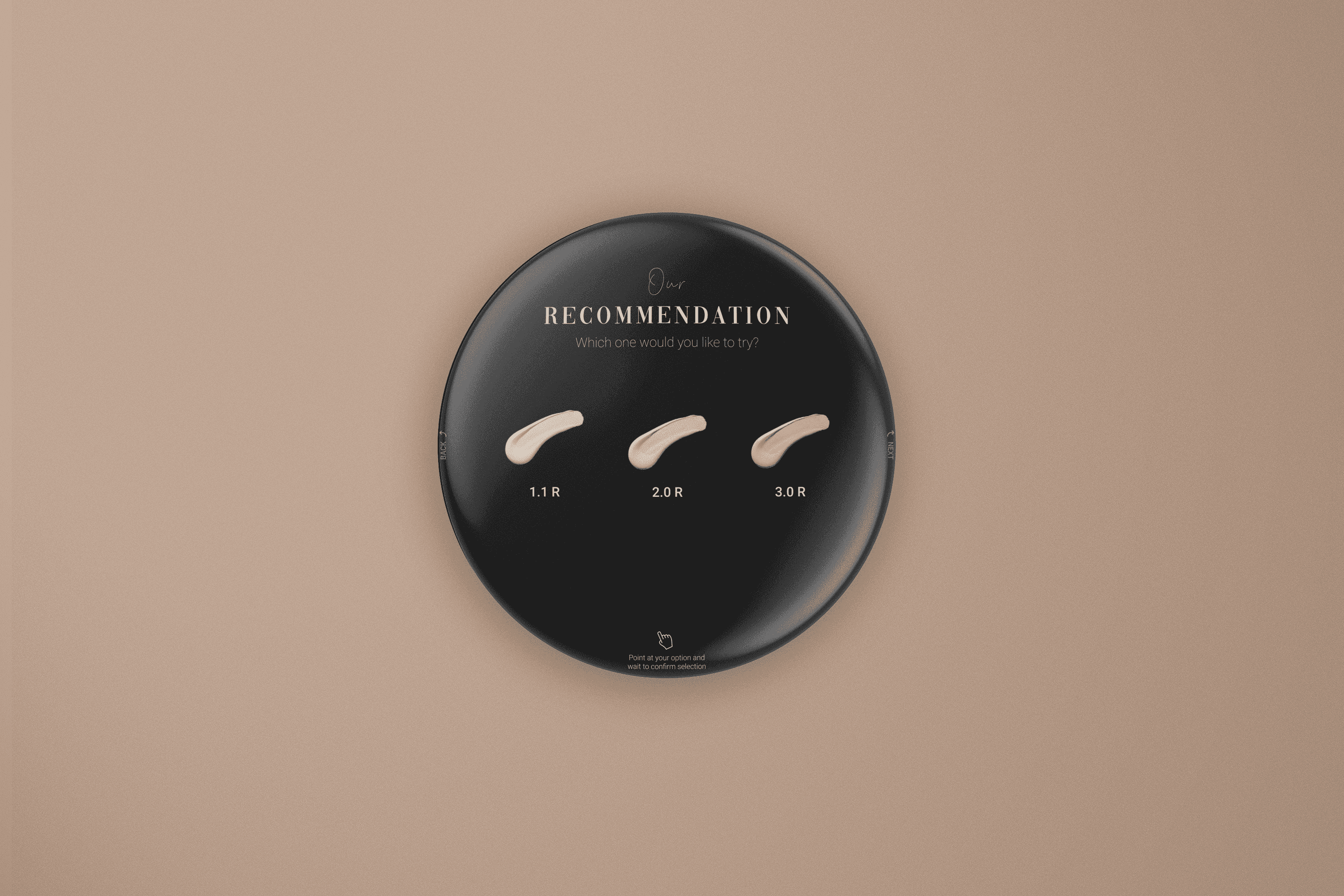
Anticipating user needs, our installation suggests suitable foundation shades, fostering customisation and guiding selections through explicit imagery.
UI Screen 4: Test Shade:
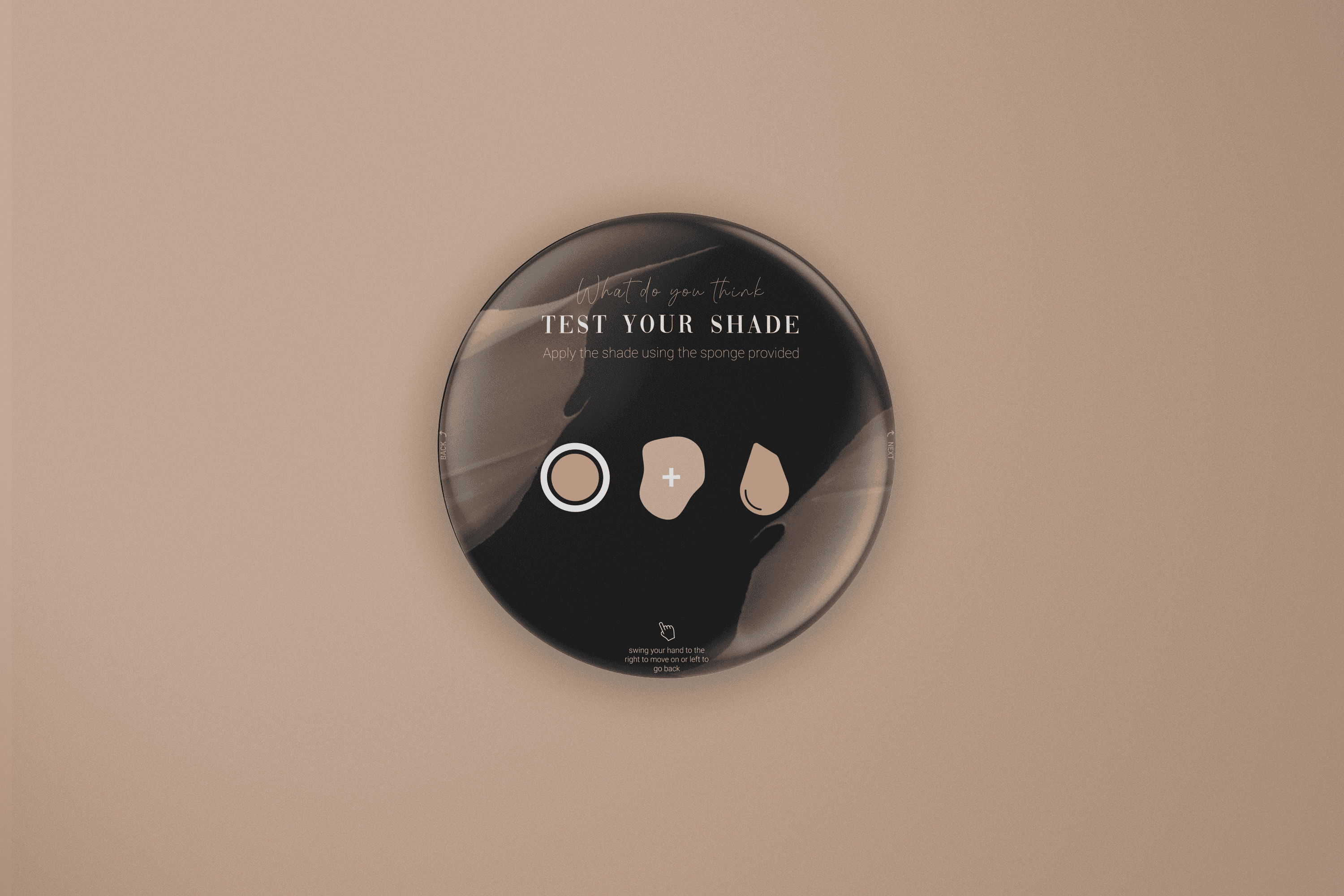
Guiding users through voice prompts and adjustable lighting settings, our installation enhances the foundation testing process, mitigating common in-store challenges.
UI Screen 5: Apply Serums:
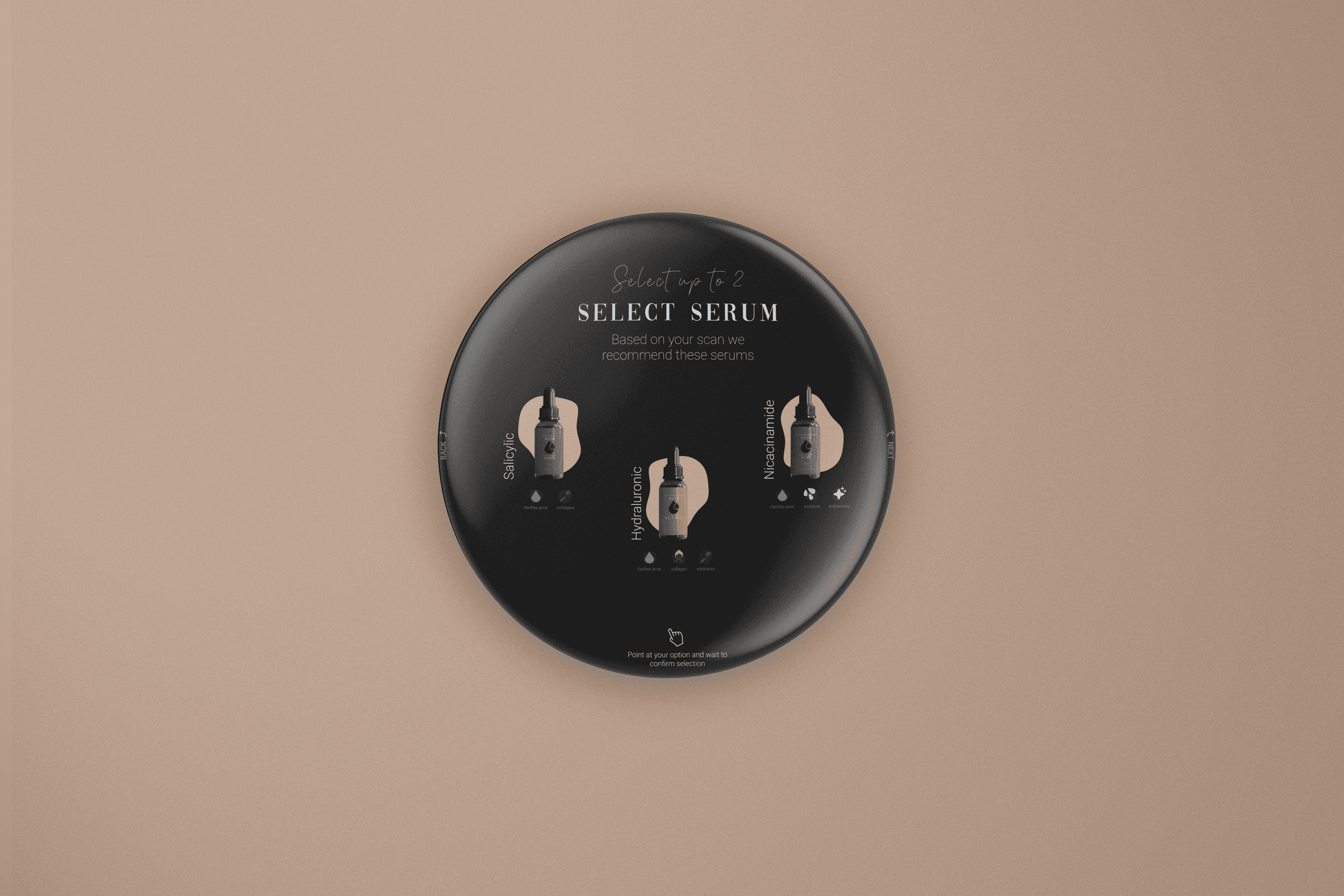
Predicting and presenting viable serums, our installation emphasises skincare importance, employing intuitive design elements for enhanced user engagement.
UI Screen 6: Add-Ons:
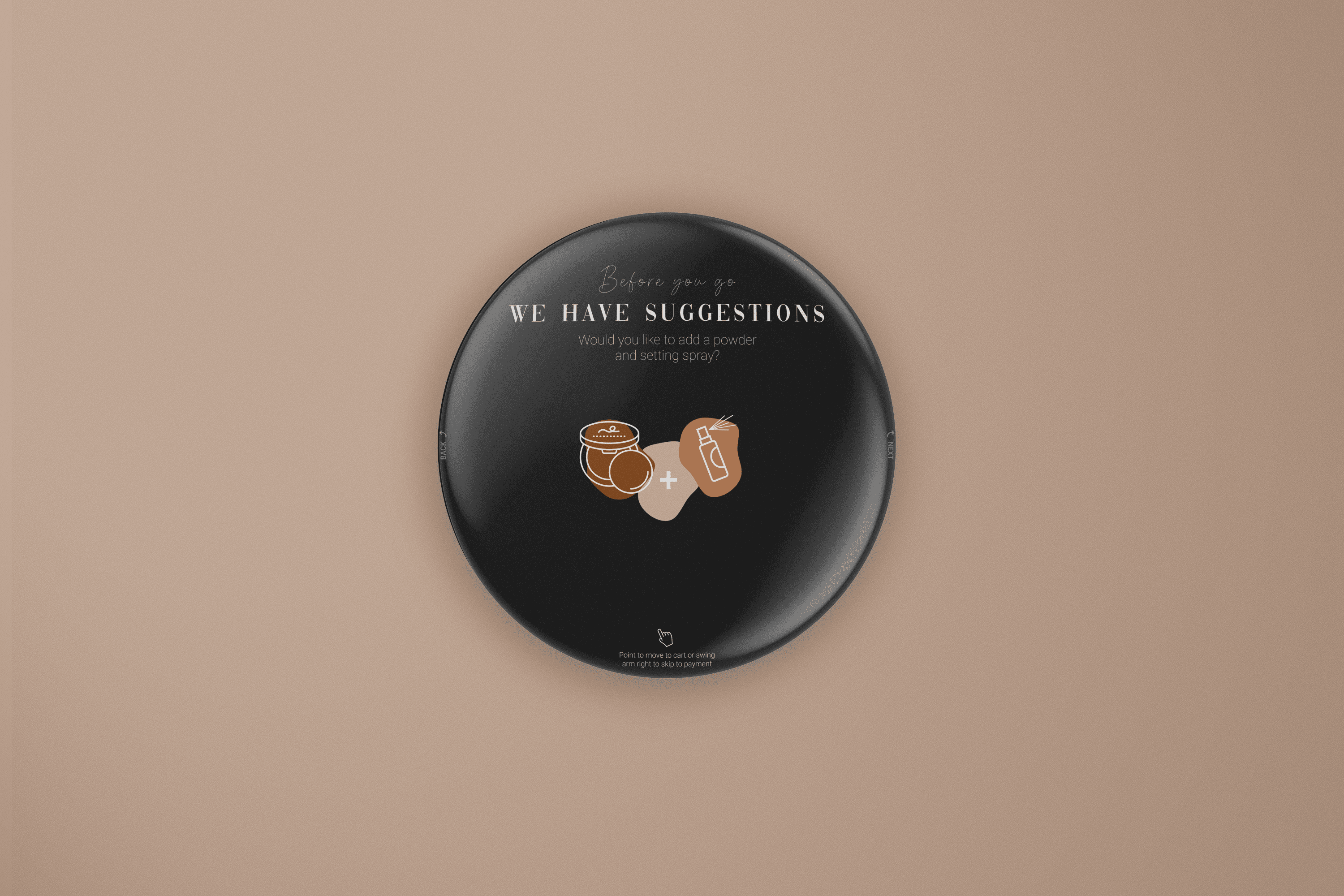
Offering bundled packages for increased sales, our installation differentiates from competitors and streamlines the purchase process for users.
UI Screen 7: Payment:
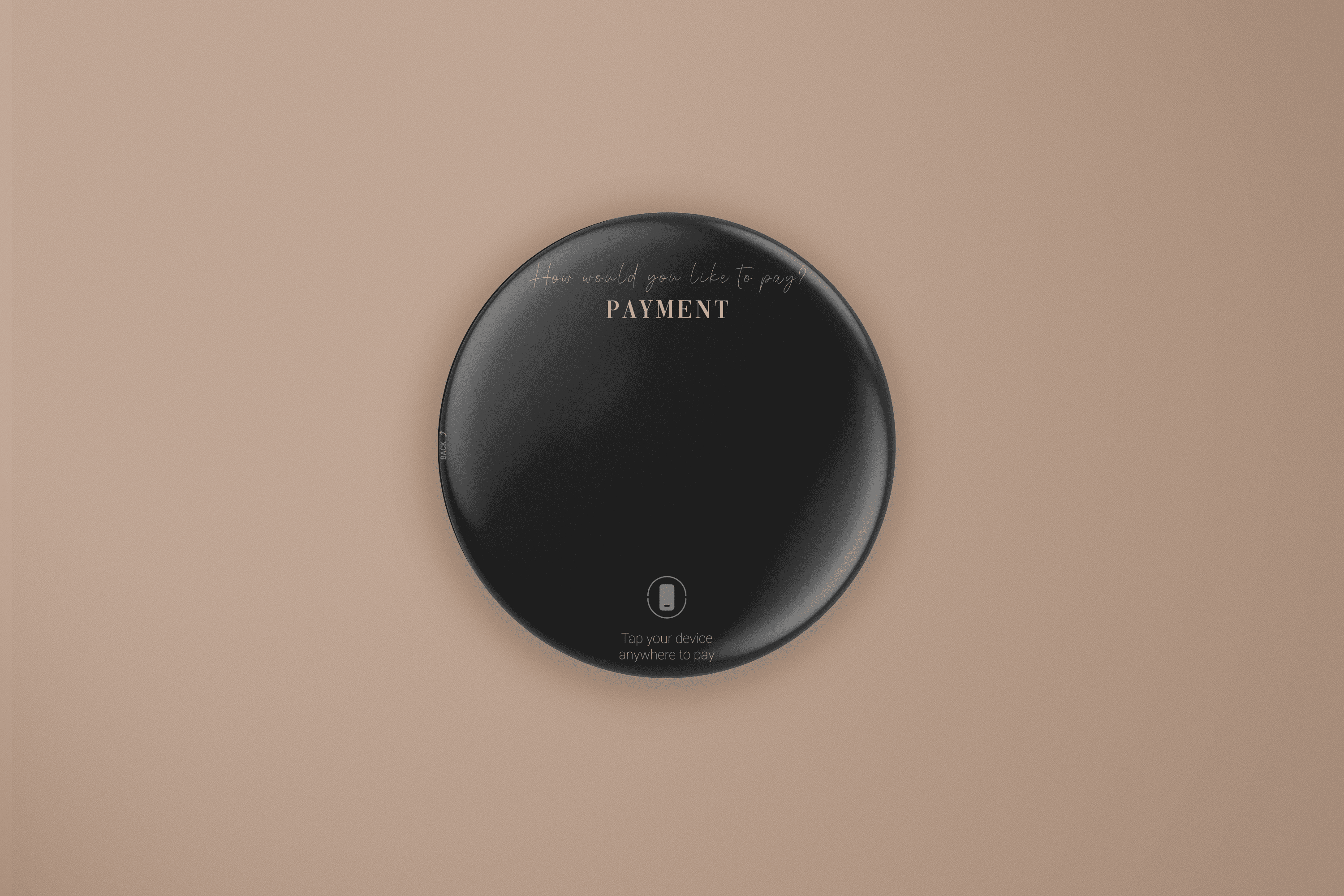
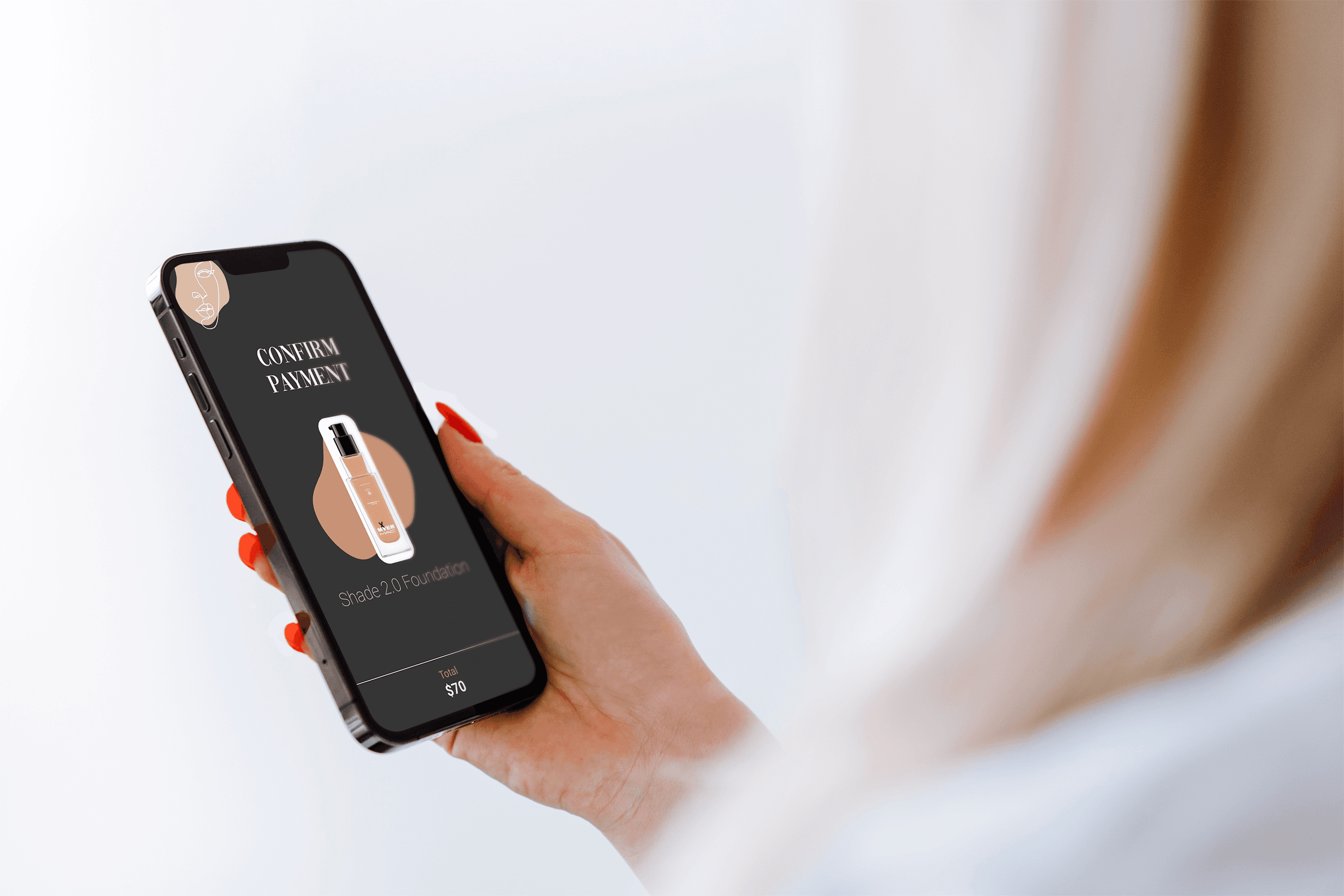
Facilitating payments via NFC tags, our installation exemplifies data mobility and ensures a seamless checkout experience for users. NFC Tag Integration: Utilising NFC tags, users link their phones to the foundation, exemplifying the Togazzini principle of latency for effortless data transfer.
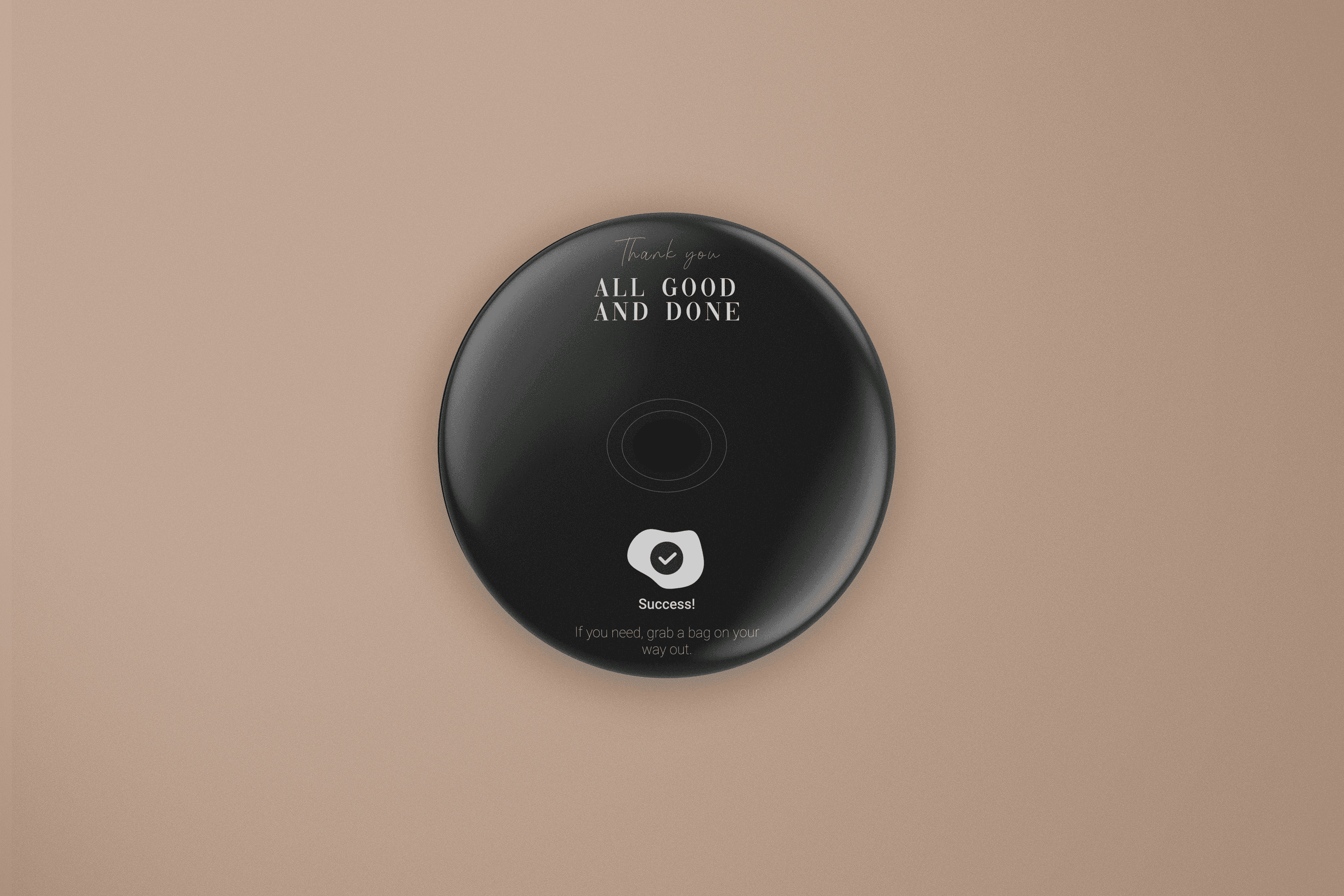
Final Product
Promoting eco-friendliness through refillable capsules and educating users on product benefits, our installation fosters sustainable beauty practices.
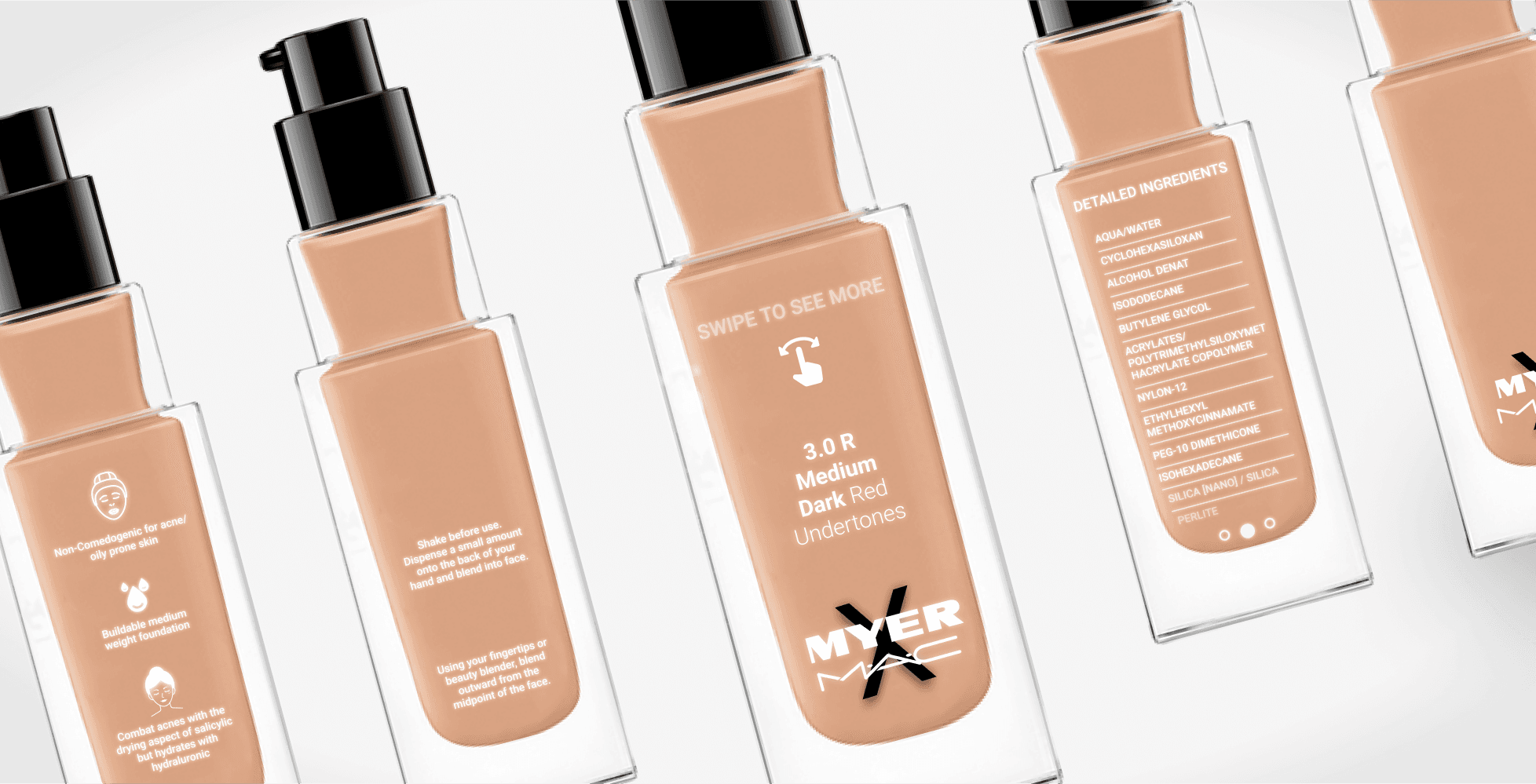
Re-use for refills: insert new capsule inside bottle is eco-friendly.
Educates the user: Helps to educate the user on the benefits of the foundation by using this swiping gesture across the bottle to see the different components.
Immersive/interactive: Mimics infinite carousel animation
Interactive Prototype
04. Conclusion
Reflections on Our Project:
As we conclude our project, it's essential to reflect on our key takeaways and insights. Throughout the process, we meticulously examined the feasibility, accessibility, and future potential of our installation, aiming to redefine retail experiences through innovation and user-centric design.
Feasibility:
One of our primary considerations was the practicality and viability of implementing our installation within the retail environment. We conducted thorough research and analysis to ensure that our proposed solution could be seamlessly integrated into existing store layouts and operations. By addressing technical challenges and feasibility constraints, we laid the foundation for a robust and sustainable retail experience.
Accessibility:
Central to our design philosophy was the commitment to accessibility and inclusivity. We recognised the importance of creating an installation that catered to diverse user needs and preferences. Through user testing and iterative design iterations, we prioritised intuitive navigation, clear communication, and universal usability, ensuring that our installation was accessible to all customers, regardless of age, ability, or background.
Future Advancements:
While our installation represents a significant leap forward in retail innovation, we also recognise its potential for future advancements and enhancements. By leveraging emerging technologies and ongoing user feedback, we envision continuous iterations and improvements to enrich the user experience further. From augmented reality features to personalised recommendations, the possibilities for future enhancements are endless, promising even more immersive and engaging retail experiences.
Engagement with Consultancy Firm:
In an exciting development, we had the opportunity to present our case study to an esteemed international consultancy firm. Their enthusiastic response and keen interest in our final idea validated the innovation and creativity embedded within our project. Their feedback and insights reaffirmed our belief in the transformative potential of our installation and inspired us to continue pushing the boundaries of retail design and technology.
In Conclusion:
As we reflect on our journey, we're proud of the strides we've made in reimagining retail experiences for the future. Our installation not only sets a precedent for immersive and interactive retail experiences but also serves as a testament to the power of collaboration, creativity, and forward-thinking design. Moving forward, we remain committed to pushing the boundaries of innovation and delivering exceptional experiences that delight and inspire customers worldwide.